
AI customer service has genuinely gotten good at the easy stuff. It answers at 3 a.m., never sighs at a repeat question, and can process a routine request faster than a person ever will. None of that is in dispute.
What’s also not in dispute, once you look at the data, is that people don’t want AI anywhere near calls that matter most to them. Not because technology is “bad”, but because some conversations need a human being on the other end of the line, and customers are telling companies that directly.
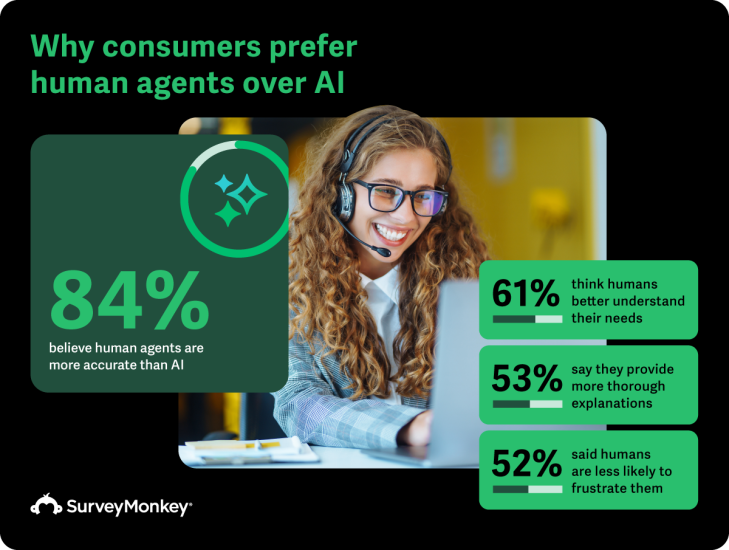
Customers preference for AI vs. human support isn’t a matter of opinion, it’s something that has been surveyed repeatedly, and the pattern holds up every time. Most people are comfortable with AI for speed or a simple, short call. But, across the board, people want a human on the other line the moment something matters.
Image Credit: Survey Monkey
Sources: Gartner (2026), Gartner (2024), SurveyMonkey
Like the data above says, medical questions, billing disputes, security issues, and complaints are among the top call topics where people don’t want to have to deal with AI. What connects all those topics isn’t just complexity, it’s emotion.
That’s a skill, and it’s measurable. An analysis of 35.1 million customer service conversations found that when a human receptionist offered explicit emotional validation, average satisfaction scores rose from 3.52 to 39.4 out of 5, with a 14.3% lift in financial services and insurance specifically, according to research done by CX Dive.
None of this makes AI for customer service useless. It’s the right tool for volume, on requests where the answer is the same every time and speed matters more than judgement:
Gartner found half of customers said their interaction was easier when a company used generative AI, and that comfort is concentrated almost entirely in exactly those kinds of simple, low-stakes requests.
The mistake isn’t using AI. It’s using AI incorrectly.
Any business that runs entirely on AI never actually gets to know the people calling it. Every conversation starts from zero:
That’s not a technology gap, it’s a relationship gap. Repeat callers want to feel recognized, not re-authenticated. A returning patient wants to talk to someone who gets the history without having to re-explain it. A longtime customer wants their loyalty to mean something in the moment they need help.
That kind of continuity is exactly what a live receptionist builds and an AI-only setup can’t. It shows up in the small things: catching that a caller sounds anxious before they even say why, remebering context from earlier in the conversation instead of asking the same question twice, treating a person like someone the business actually values instead of the next ticket in queue. Businesses that skip the human side aren’t just risking one bad call, they’re giving up the chance to turn callers into people who trust them.
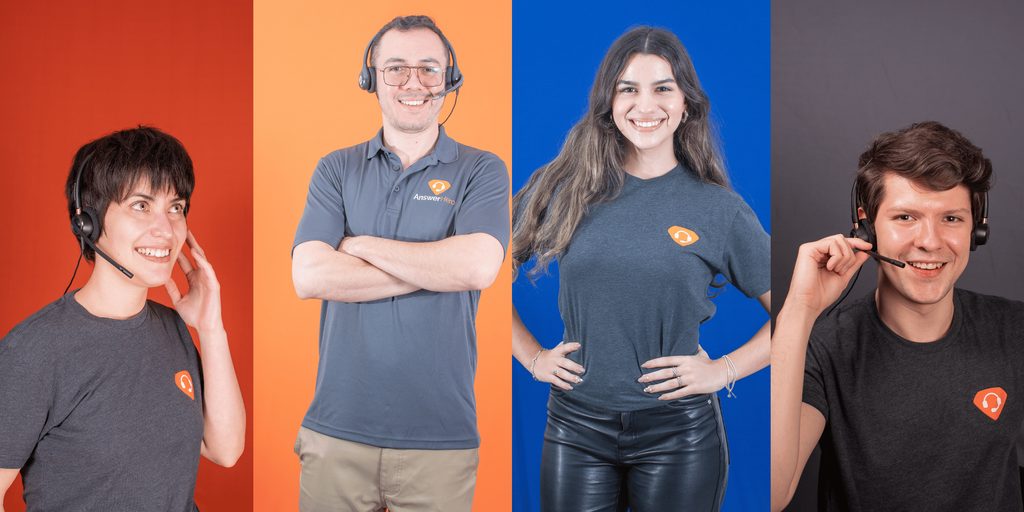
The industry spent the last few years chasing automation for its own sake. The data says customers never asked for that, they asked for speed on the easy stuff and a real person for everything else. Getting back to humanizing customer service again doesn’t mean rejecting AI, it means putting it back in its lane and making sure every high-emotion, high-stakes call reaches someone who can actually handle it.
That’s the model AnswerHero is built on: Human, AI, and Hybrid answering with real bilingual receptionists live 24/7/365 for the calls where a person changes the outcome. Schedule a consultation today and let’s talk about building a plan around what your callers actually need.
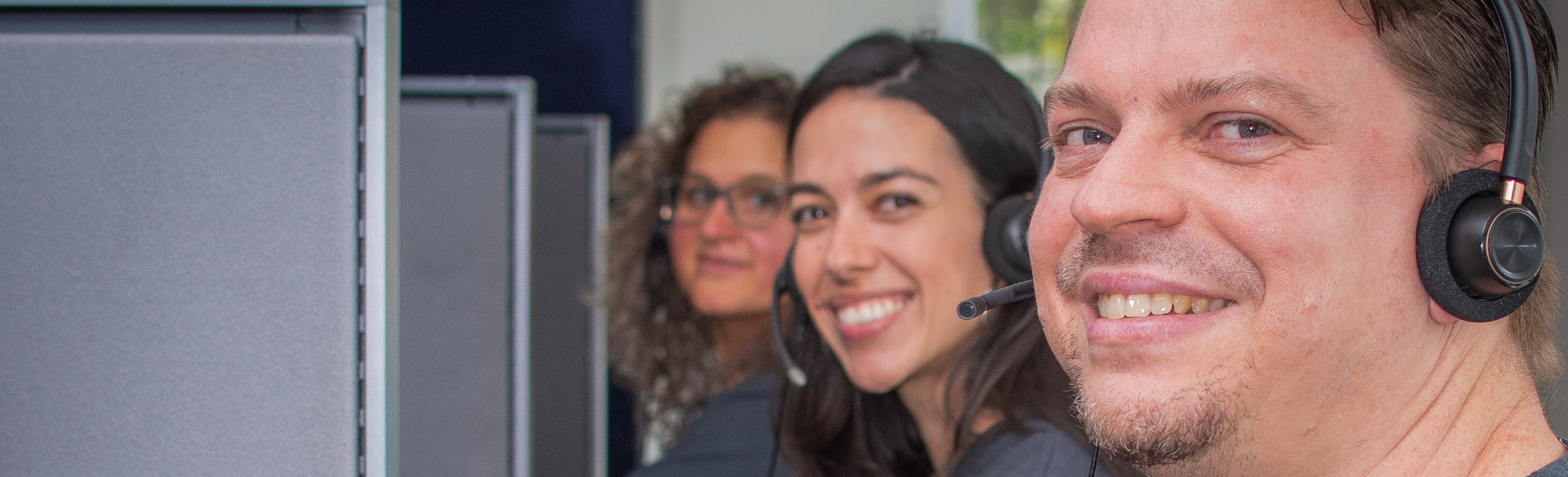
Never miss an important call again with AnswerHero. Our team of professionals will answer calls 24/7/365 based on the information you provide about your business. We handle basic processes like taking messages and routing calls, but we can also make appointments and provide translation services. See the difference AnswerHero makes — choose your plan or contact us today.


Contracts or
Hidden Fees
We Answer Your Calls All Year Round
Bilingual Agents